

Close the gap and restore your smile
Missing teeth affect more than your appearance. They can change how you eat, speak, and feel about your smile. Dental bridges at Desert Willow Dental in Glendale, AZ replace one or more missing teeth by anchoring to the teeth on either side of the gap.
Dr. Russell Crane and Dr. Amanda Pharo have training in restorative dentistry and will evaluate your situation to recommend the best approach. We explain each step clearly so you know what to expect.
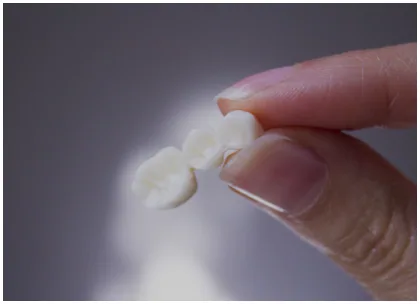
How a dental bridge works
A bridge consists of one or more replacement teeth, called pontics, held in place by dental crowns on the neighboring teeth (called abutments). Traditional bridges are the most common type.
If you prefer not to prepare the teeth next to the gap, or if you are missing several teeth, dental implant restoration or dentures may also be worth considering. Your dentist evaluates your mouth and helps you compare your options.
.webp)
The bridge placement process
Most patients need two visits. Here is what to expect:
- Exam and X-rays. We check the teeth on either side of the gap and the surrounding bone.
- Tooth preparation. The abutment teeth are gently shaped to make room for the crowns.
- Impressions. We take an impression or digital scan so the lab can craft your bridge.
- Temporary bridge. A temporary bridge protects the area while you wait.
- Lab fabrication. A dental lab creates your permanent bridge, matched to your tooth color.
- Final placement. At your follow-up visit, we check the fit and cement the bridge in place.
.webp)
Living with your dental bridge
Caring for a bridge is similar to caring for your natural teeth. Brush twice a day and floss daily. Use a floss threader or water flosser to clean under the pontic where food can collect.
Regular dental visits let us check the bridge and the teeth supporting it. With good care, a well-maintained bridge can last many years. If something feels loose or uncomfortable, call us so we can take a look.
Benefits of dental bridges
Restores your ability to eat
A bridge fills the gap so you can chew more comfortably and enjoy a wider range of foods.
Natural appearance
Your bridge is color-matched to your surrounding teeth for a result that looks and feels natural.
Prevents teeth from shifting
Filling the gap helps keep neighboring teeth from drifting out of position over time.
Non-surgical option
Traditional bridges do not require surgery, which may appeal to patients looking for a less invasive approach.